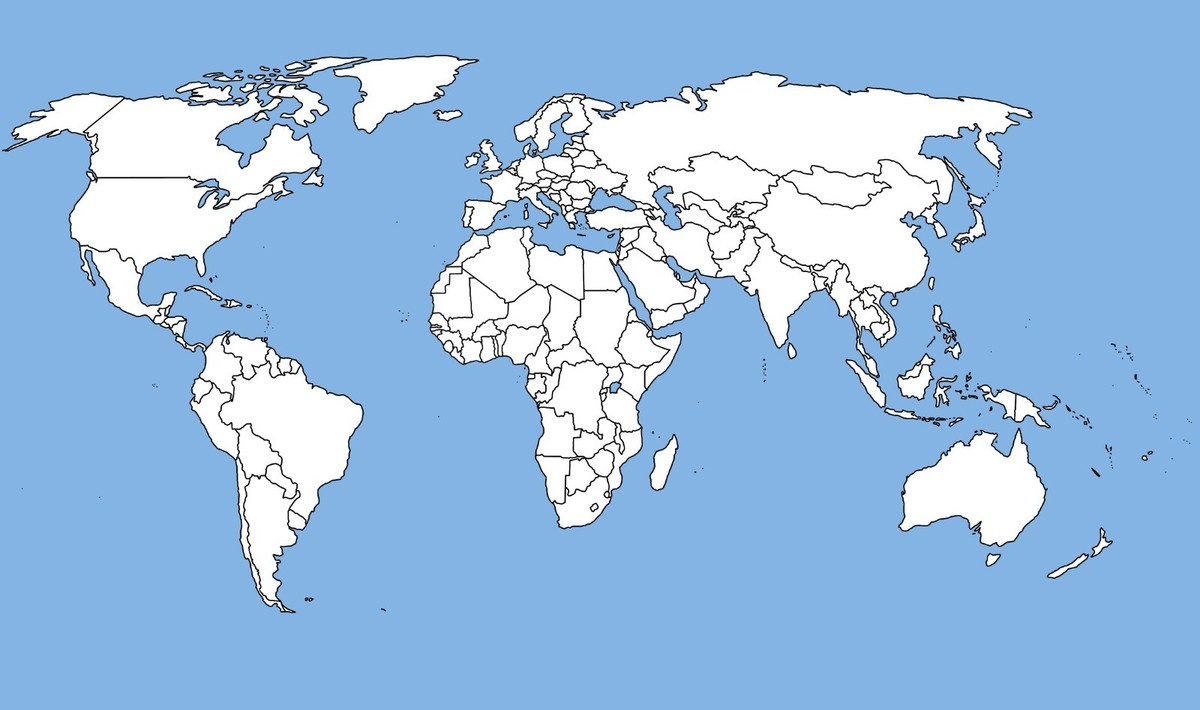
Collaborating Across Global Networks







We bring complementary expertise, institutions, markets and resources together to advance practical solutions for food systems and livelihoods.
Sustainable transformation depends on relationships that connect knowledge, implementation, markets, investment and local experience around shared development priorities.
Food systems challenges cut across agriculture, markets, nutrition, climate, environment, enterprise development, finance and policy. Our partnership model connects multidisciplinary expertise with programme development, implementation, research, market opportunities, institutional relationships and resource mobilization.
The result is a practical bridge between evidence and action, helping ideas move toward sustainable and scalable results. By fostering these alliances, we ensure that innovative solutions are not only effective but also locally relevant and adopted at scale.
Resource mobilization involves identifying opportunities, developing competitive funding solutions, and building strategic partnerships that enable organizations to secure and implement impactful programs. As a strategic implementation partner, LACOMP supports development partners by designing proposals, facilitating partnerships, and mobilizing the technical and institutional resources required to successfully deliver funded initiatives.
Developing high-quality proposals and concept notes that respond to donor opportunities and strengthen partners’ chances of securing funding.
Connecting programs, enterprises, and initiatives with suitable investors, financiers, and resource partners.
Creating strategic collaborations among INGOs, governments, private sector, research institutions, and other actors to deliver complex programs.
Combining financial, technical, knowledge, and partnership resources to maximize programme impact and sustainability.
Bringing complementary disciplines together around complex development challenges.
Connecting evidence and technical knowledge with practical implementation.
Linking partnerships, resources, markets and capabilities for greater impact.
Sustainable transformation depends on relationships that extend beyond individual projects. Our ecosystem brings development actors, knowledge institutions, businesses, financial actors, producers and communities into a shared space where their different strengths can reinforce one another.
Development partners, governments and public institutions contribute policy leadership, public investment, institutional capacity and development priorities. Collaboration with these actors helps align interventions with wider development agendas and enabling environments.
Research, academic and technical institutions strengthen the evidence base behind development decisions. Their contribution supports research, innovation, technology, learning, technical quality and knowledge exchange.
Agribusinesses, private enterprises and financial actors help translate opportunities into commercial pathways. They bring markets, investment, enterprise capabilities, financial solutions and value-chain relationships.
Producers, cooperatives, community organizations and local actors provide the knowledge, participation and ownership that make development solutions relevant, locally grounded and sustainable.
The strength of an ecosystem lies in what becomes possible when its different parts are connected. A research institution may provide evidence; an enterprise may provide market access; a financial actor may unlock investment; producers may provide local knowledge and ownership; while development and public-sector institutions provide policy direction and institutional support.
Bringing these capabilities together creates stronger conditions for designing, implementing and scaling solutions. It allows development programmes to respond to the realities of communities while remaining connected to markets, institutions, evidence and resources.